What is ESG in Sustainability?

Let’s start at the very beginning.
Whether you love my favourite film ‘The Sound of Music’ or not, “Let’s start at the very beginning, a very good place to start! When you read you begin with A-B-C” and in Sustainability it’s E-S-G. 😀
E – Environmental
S – Social
G – Governance
“E” is for Environmental: Nature is our life support system. This is all about how a company performs as a steward of nature.
In other words, is a company responsible for sewage leaks into rivers? (Take a look at this example: Boat Race rowers told not to enter Thames due to high levels of E. coli)
Or wasting paper on elaborate packaging? It’s great to see a lot more refills are available for soaps, instant coffee etc. with a lot less packaging.
Or does your company integrate nature into its decision making?
I was really moved by this inspiring short video from the Taskforce on Nature-related Financial Disclosures (TNFD). (We are just getting started with all the Sustainability acronyms!😆) The TNFD encourages businesses to assess their impact on nature, with recommendations and guidance to enable businesses and finance to integrate nature into their decision making.
When you have a moment, grab a cuppa and a biscuit, it really is an eye opening watch.
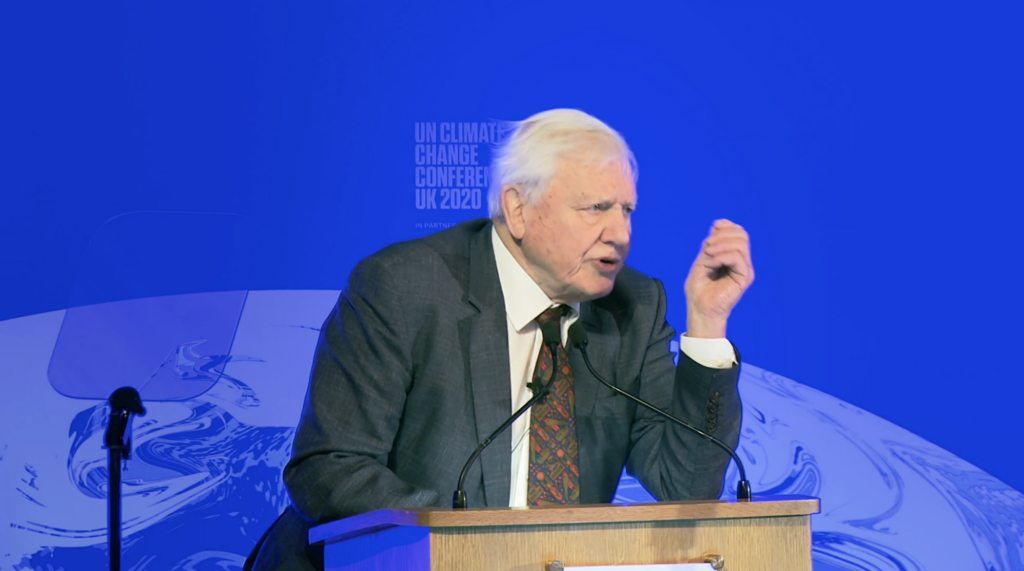
What did you think? It’s brilliant, isn’t it? We CAN make a difference!
Right, where were we? Ah yes…E S G…
“S” is for Social: This is how a company manages relationships with its employees, suppliers, customers, and the communities in which it operates.
Does it genuinely invest in and care for all the people in its supply chain, or, are their examples of exploitaion? Like in this scenario – Luxury perfumes linked to child labour
“G” is for Governance: This relates to how a company is managed by its Senior Executive Leadership Team.
For instance, does a company have diversity and inclusivity in its leadership? Is it known to be ethical and transparent in its dealings with other companies, governments and consumers?
I have found it fascinating reading about the history of ESG, and how it became a key metric that investors use to measure how well a company addresses risks and concerns related to environmental, social, and corporate governance issues in its day-to-day operations.
A key inception point was at the United Nations in the early 2000’s. The goal of ESG investing was
“to try and create a positive virus that we could plant in mainstream finance and investment to start a different conversation that these issues are real, they’re material, and they affect your long-term investments,”
said Paul Clements-Hunt, the former head of the U.N. Environment Programme Finance Initiative (UNEP FI) which played a crucial role in popularising the ambitious idea the team had to mobilise the world’s largest investors to act on major global issues. The idea went that the priorities of the United Nations were actually aligned with the needs of long-term investors — insofar as a stable environment and world generally contribute to a more prosperous economy.
You can read all about it here: They helped create ESG. Two decades later, some see a mess.
So, what is your company’s ESG score?
According to Investopedia, “ESG scores are an essential tool for investors to assess a company’s sustainability and ethical performance. These scores typically range from 0 to 100, with a score of less than 50 considered relatively poor and more than 70 considered good.”
Every sustainability journey starts with understanding the basics. The next step is making sure you have the right data to measure your progress and confidently report on it.
If you’re looking for a simpler way to record, manage and report your ESG data, we’d be happy to help.
Get in touch with the Aramar team to find out how IBM Envizi can support your sustainability journey.